

why tariffs are still in place Many anticipated a decline in import prices after the Supreme Court decided in February that the president was not authorized to impose broad tariffs under a single law. Seven months later, tariffs on a variety of goods are still firmly in place. This month, a new 50% duty was imposed on some Canadian products, and the reason for this has little to do with the ruling being disregarded. It has to do with the variety of legal instruments available to the government for the initial imposition of tariffs.
What Did the Supreme Court’s February 2026 Tariff Ruling Actually Change?
The International Emergency Economic Powers Act does not grant the president the power to impose tariffs, the Supreme Court ruled 6 to 3 on February 20, 2026. The broadest tariffs of the last two years, such as a global reciprocal tariff that affects the majority of nations and targeted tariffs linked to fentanyl trafficking concerns on goods from China, Canada, and Mexico, were based on this law. The decision rendered those tariffs unenforceable going forward and made it possible for tariffs that had already been collected to be refunded; this process is still ongoing through the Court of International Trade.
How Section 122 Tariffs Replaced the Invalidated IEEPA Tariffs
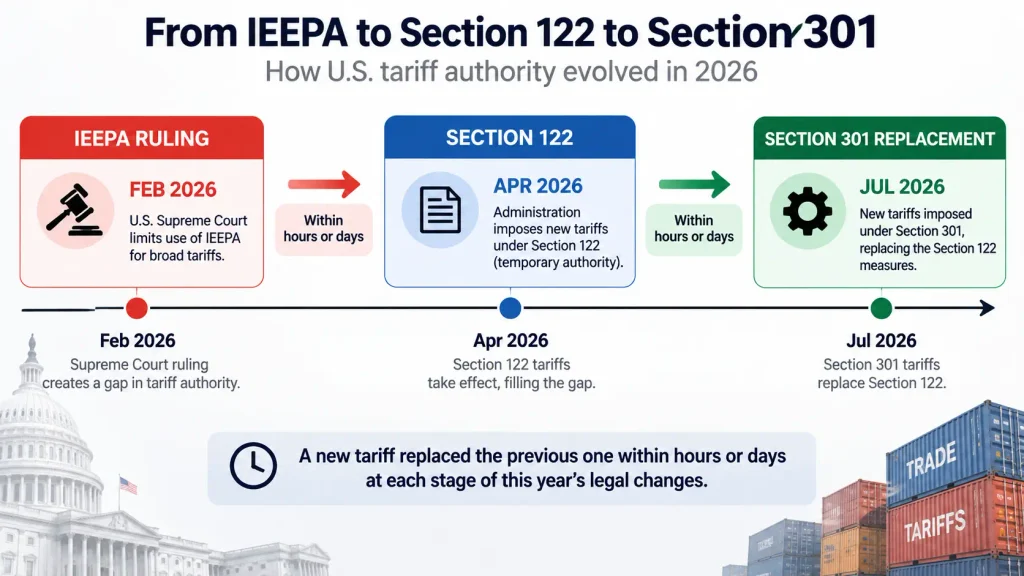
The White House didn’t hold off. It imposed a new tariff under Section 122 of the Trade Act of 1974—a flat 10% global surcharge covering the majority of imports—within hours of the decision. Tariffs imposed under this law have a hard statutory limit of 150 days, which is different from how IEEPA operates. On July 24, 2026, that clock ran out, and Section 122 tariffs ended on time.
They were promptly replaced once more. A new two-tiered Section 301 tariff regime, which covered 60 economies and was linked to worries about forced labor in manufacturing, went into effect on the same day that Section 122 expired. Under this framework, imports from 14 economies are subject to a 10 percent tariff, while imports from the remaining 46 economies are subject to a 12.5 percent tariff. Certain agricultural and aerospace inputs, as well as goods that qualify under the USMCA and CAFTA trade agreements, are exempt.
Why Section 232 Tariffs Were Not Affected by the Supreme Court Ruling
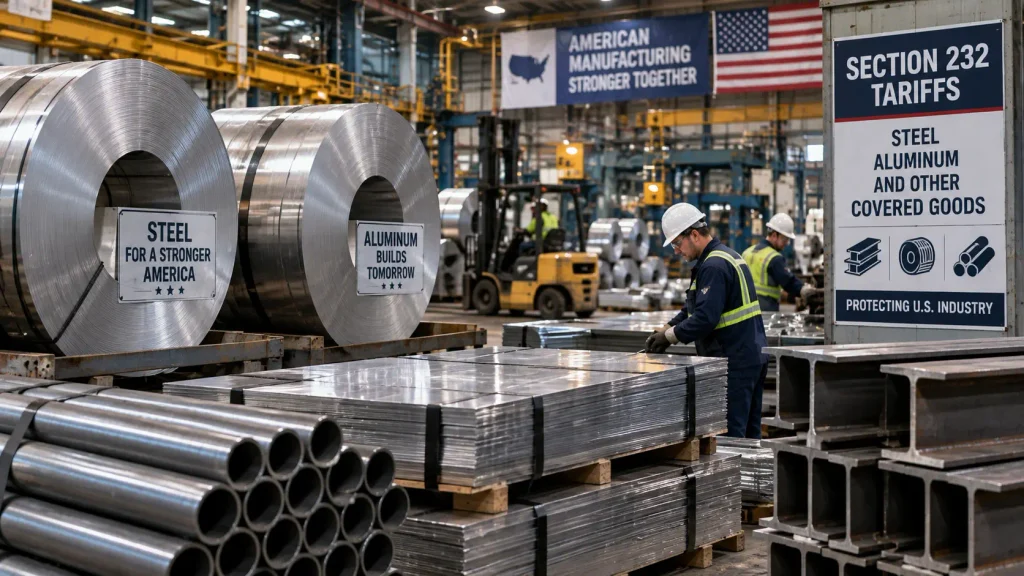
The Supreme Court’s ruling never affected Section 232 tariffs, which apply to steel, aluminum, copper, automobiles, and lumber, among other categories. This is because these tariffs are based on a different legal authority that is connected to national security rather than emergency economic powers. The steel and aluminum tariffs that were first imposed in 2018 are still largely in effect today because these tariffs have no statutory expiration date and stay in effect until a president actively modifies them. Throughout 2026, the administration has continued to modify these rates. For example, in June, it issued a proclamation that reduced tariffs on residential HVAC products and agricultural equipment from 25 to 15 percent through 2027, while also adding new derivative steel and aluminum products to the list of covered goods.
Section 338 Tariffs and Canada’s September 2026 Retaliation
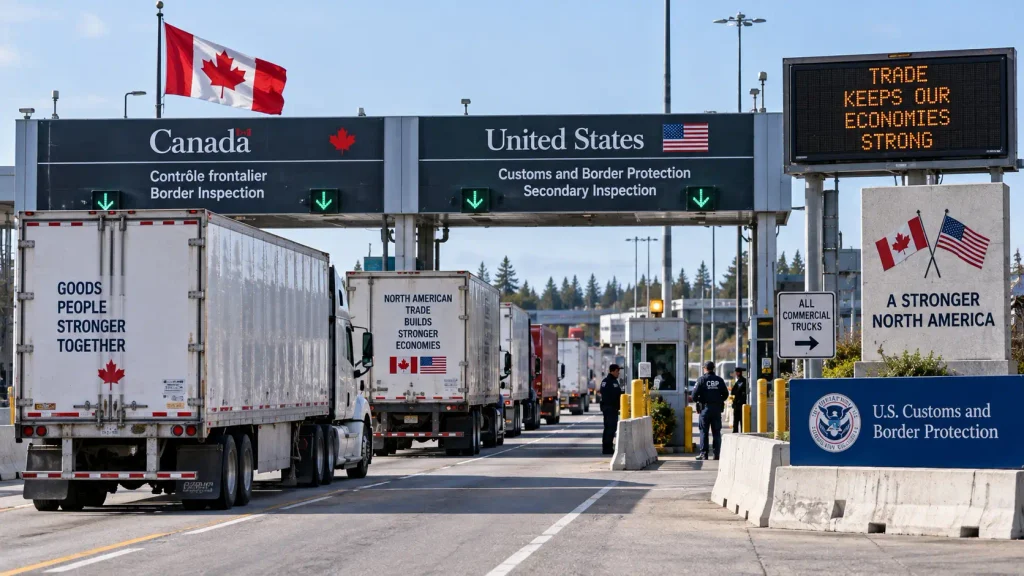
The administration added yet another layer on August 19, 2026, when it imposed a 50% duty on a variety of Canadian goods under Section 338 of the Tariff Act of 1930. This authority was linked to particular trade disputes over dairy, cars, and alcoholic beverages, but the actual list of affected products goes well beyond those three categories to include cement, furniture, textiles, and cosmetics. Canada responded to that. Only a few days ago, on September 8, 2026, Canadian retaliatory tariffs of 15, 25, or 50 percent went into effect on over 700 products of US origin; each rate precisely matched the corresponding US tariff on the same category of good.
Why Replacement Tariffs Matter More Than the Original Ruling
Trade Representative of the United States In contrast to Section 122’s built-in expiration and IEEPA’s now-established illegality, Jamieson Greer has publicly described Sections 232 and 301 as long-lasting instruments that can be maintained for as long as necessary. The average household could save about $1,200 in 2026 if IEEPA tariffs were eliminated and never replaced, according to independent analysis from the Tax Policy Center. This would result in an average tariff rate reduction of about 8 percentage points. No replacement was assumed in that estimate. Since replacement has been ongoing in practice, consumers’ actual savings are largely dependent on the particular products they purchase and which of these overlapping legal authorities currently covers them.
Additionally, this new structure has an inherent fragility. Many of the approximately 90 bilateral trade agreements negotiated under the previous IEEPA framework have not been ratified by Congress or the foreign governments involved. This year, Malaysia’s trade minister briefly declared the country’s agreement with the US to be void before retracting the statement. This is an early indication of how uncertain these agreements remain now that the legal basis for them has changed.
Why Import Prices Did Not Fall Much After the Tariff Ruling
Following the ruling, the tariff landscape did not become simpler; rather, it became a patchwork of sector-specific and country-specific rates dispersed among at least four distinct legal authorities, each with its own regulations, exclusions, and expiration dates. There isn’t a single, straightforward answer to whether a particular product you purchase costs more or less than it did a year ago; instead, it depends on its country of origin, its product category, and which of these overlapping tariff regimes currently apply to it.
Frequently Asked Questions About the 2026 Tariff Ruling
Are tariffs actually lower now that the Supreme Court struck down IEEPA tariffs?
Not consistently. Tariffs under other legal authorities, such as Section 122, Section 301, and Section 232, swiftly replaced the specific IEEPA-based tariffs that were declared invalid, so overall tariff levels have not decreased as much as the ruling alone might imply.
What happened to the temporary Section 122 tariff?
Due to a 150-day statutory limit included in that law, it expired on July 24, 2026, and a new Section 301 tariff regime covering 60 economies took its place on the same day.
Are Section 232 tariffs on steel and aluminum affected by the Supreme Court ruling?
No, Section 232 tariffs have no statutory expiration date and are based on a different national security authority that was not addressed in the ruling.
Why did Canada impose new tariffs on US goods in September 2026?
Canada’s retaliatory tariffs, which went into effect on September 8, 2026, are identical to new US tariffs that were imposed on Canadian goods in August under Section 338, which addresses disputes pertaining to dairy, cars, and alcohol.
Will prices on imported goods go down because of the Supreme Court ruling?
Since replacement tariffs under other authorities have largely filled the void left by the invalidated IEEPA tariffs, it depends on the particular product and its country of origin.
How long can Section 232 and Section 301 tariffs stay in place?
why tariffs are still in place Until a president takes action to alter them, that is. These authorities lack an inherent statutory expiration date, in contrast to Section 122.
[…] why tariffs are still in place […]
[…] why tariffs are still in place […]
[…] why tariffs are still in place […]
[…] why tariffs are still in place […]
[…] why tariffs are still in place […]
[…] why tariffs are still in place […]
[…] why tariffs are still in place […]
[…] why tariffs are still in place […]
[…] why tariffs are still in place […]
[…] why tariffs are still in place […]
[…] why tariffs are still in place […]
[…] why tariffs are still in place […]
[…] why tariffs are still in place […]
[…] why tariffs are still in place […]
[…] why tariffs are still in place […]
[…] why tariffs are still in place […]
[…] why tariffs are still in place […]
[…] why tariffs are still in place […]
[…] why tariffs are still in place […]