
US Iran Deal, The United States and Iran are once again pushing toward a deal that would reopen the Strait of Hormuz, with negotiators reportedly working toward a breakthrough this week on the sidelines of the United Nations General Assembly in New York. It is not the first time the two countries have come close. A similar agreement collapsed within weeks back in July. Here is how the situation has developed and where the current push for a deal actually stands.
How We Got Here
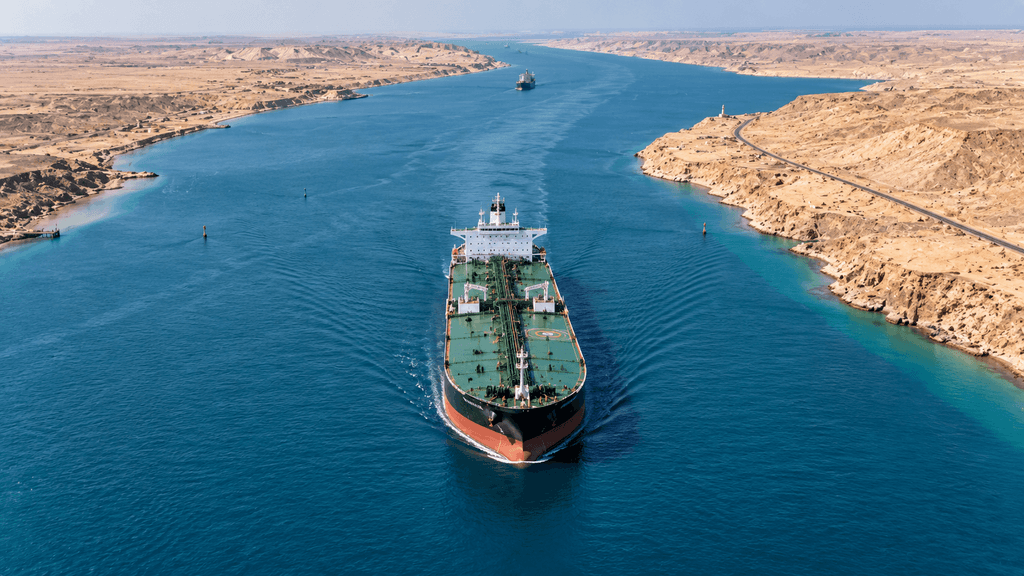
The current crisis traces back to February 28, 2026, when the United States and Israel carried out coordinated strikes against Iran, killing Supreme Leader Ali Khamenei and targeting nuclear and military infrastructure, in what became known as the 2026 Iran war. Iran responded by asserting control over the Strait of Hormuz, the narrow waterway through which roughly a quarter of the world’s seaborne oil and a fifth of its liquefied natural gas normally passes, closing it to vessels tied to the US, Israel, and their allies.
A ceasefire took effect in April, and in June the two countries signed a memorandum of understanding, formalized in what became known as the Islamabad Memorandum, that lifted blockades on both sides and opened a path toward nuclear negotiations, with Iran agreeing to repeat its past pledges never to pursue nuclear weapons. That agreement did not hold. On July 8, the ceasefire collapsed after Iran attacked commercial vessels in the strait to assert what it called its sovereignty over the waterway, catching US officials off guard and ending a brief period of calm. Low level, intermittent fighting has continued since.
This Week’s Push for a Deal
According to Bloomberg, US and Iranian negotiators have been exploring a phased arrangement in which Iran would reopen the strait and the US would lift its blockade of Iranian ports, with Qatar mediating the talks. Iran’s foreign minister has separately detailed a new offer, emerging from the sidelines of the UN General Assembly, to reopen the strait and resume talks on Iran’s nuclear program. Iran has reportedly proposed a notably fast timeline, suggesting the strait could reopen within about a week of an agreement.
The White House has described its conversations with mediators as positive and constructive, and says the US is already facilitating meaningful oil exports through the strait even without a finalized deal. At the same time, President Trump has said he is in no rush to reach an agreement, even as elevated oil prices tied to the conflict continue to add to inflation pressure at home. Trump also used notably forceful language defending the war during his UN General Assembly address this week, a reminder that diplomatic engagement and combative public rhetoric are running in parallel rather than one replacing the other.
What’s Actually on the Table
The framework under discussion closely resembles June’s agreement, which called for a phased end to both sides’ blockades alongside a path toward nuclear talks. The key difference this time appears to be timing, with Iran pushing for a faster rollout than the 60 day window originally attached to the June deal. Given that the earlier agreement collapsed within weeks of being signed, there is reason for measured skepticism about whether a new version will hold, even if both sides describe the current talks in optimistic terms catch up with all our audio guides and podcasts by following our channel on spotify.
Why the Strait Matters So Much Economically
The Strait of Hormuz is one of the most important chokepoints in global energy markets. Before the crisis, it carried around a quarter of the world’s seaborne oil trade and a fifth of global liquefied natural gas shipments. Tanker traffic through the strait dropped to near zero at the height of the conflict, contributing to a broader global fuel crisis and helping push oil prices higher worldwide, a dynamic that continues to show up in energy costs today even as fighting has become less intense than it was in the spring.
The Toll So Far
Precise casualty figures for the broader conflict are difficult to verify independently. What has been documented specifically around the Strait of Hormuz crisis is at least 20 seafarers and one port worker killed, with 35 more injured and one person still listed as missing, figures tied to attacks on shipping rather than the war’s full scope. A complete accounting of casualties from the wider conflict, including the initial February strikes, has not been independently established in the same level of detail.
Unresolved Legal and Political Questions
The war has also raised legal questions that remain unsettled. Some legal and military experts have argued that the initial US strikes should have required congressional authorization under US law. Separately, Iran has pursued a legal case against the United States at the Iran-United States Claims Tribunal in The Hague, invoking a 1981 agreement between the two countries known as the Algiers Accords. Neither matter has been resolved, and both are likely to remain part of the broader dispute regardless of what happens with the current Hormuz negotiations.

What to Watch Next
Given that a nearly identical framework fell apart within weeks the last time it was signed, the more meaningful signal will not be an announcement of a deal itself but whether it actually holds once in place. With talks reportedly progressing at the UN General Assembly this week, an update could come quickly, though the pattern so far in this conflict has been one of agreements reached and then broken rather than durable resolution.
FAQ
What is the current status of the US Iran deal?
As of late September 2026, US and Iranian negotiators are exploring a phased deal to reopen the Strait of Hormuz and lift the US blockade of Iranian ports, with talks reportedly progressing at the UN General Assembly. No final agreement has been announced.
Why did the US and Iran go to war in 2026?
The conflict began on February 28, 2026, when the US and Israel carried out coordinated strikes on Iran, killing Supreme Leader Ali Khamenei and targeting nuclear and military infrastructure. Iran responded by closing the Strait of Hormuz to vessels tied to the US, Israel, and their allies.
Why did the previous US Iran ceasefire collapse?
A ceasefire and memorandum of understanding signed in June 2026 broke down on July 8 after Iran attacked commercial vessels in the Strait of Hormuz to assert what it called sovereignty over the waterway.
Why does the Strait of Hormuz matter economically?
Before the conflict, the strait carried about 25 percent of the world’s seaborne oil trade and 20 percent of global liquefied natural gas shipments. Disruptions there have contributed to a global fuel crisis and higher oil prices worldwide.
How many people have been killed in the Strait of Hormuz crisis?
Documented figures specific to the strait crisis include at least 20 seafarers and one port worker killed, with 35 injured and one person missing. Casualty figures for the broader war have not been independently confirmed in the same detail.
Is there a legal dispute over the US strikes on Iran?
Yes. Some legal and military experts have argued the initial US strikes required congressional authorization, and Iran has filed a case against the US at the Iran-United States Claims Tribunal in The Hague, citing a 1981 agreement between the two countries.