
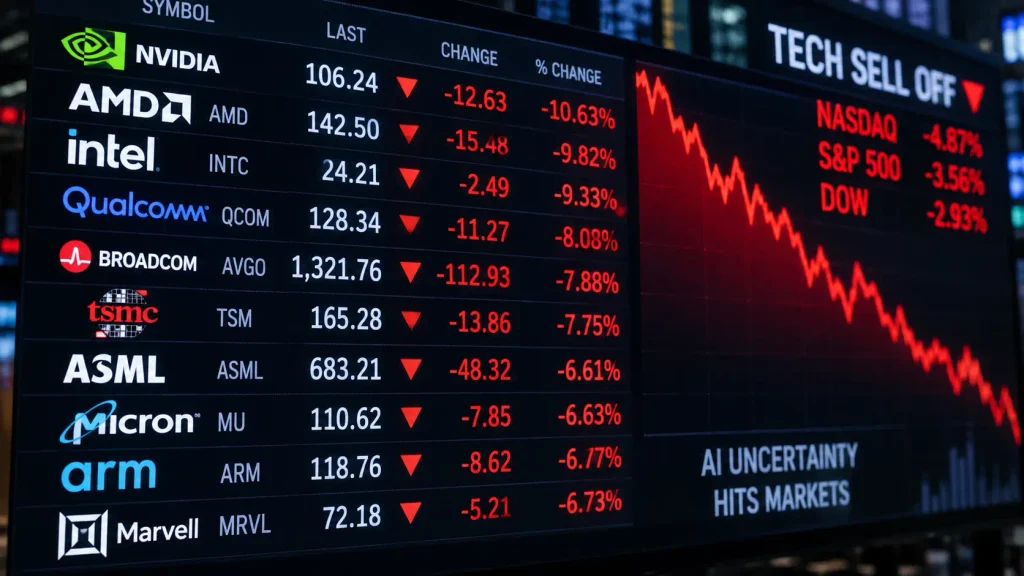
How AI Stock Volatility Could Affect Your 401k: After some of the most well-known AI executives publicly stated that the sector needs to slow down, chip stocks saw their worst day since early July on Monday. A significant portion of the growth in most major stock indexes over the past few years has come from the very companies that fell the hardest, so if that seems like a niche tech story that has no bearing on your personal finances, it is worth a second look.
Why AI Executives Are Calling for a Slower Development Pace
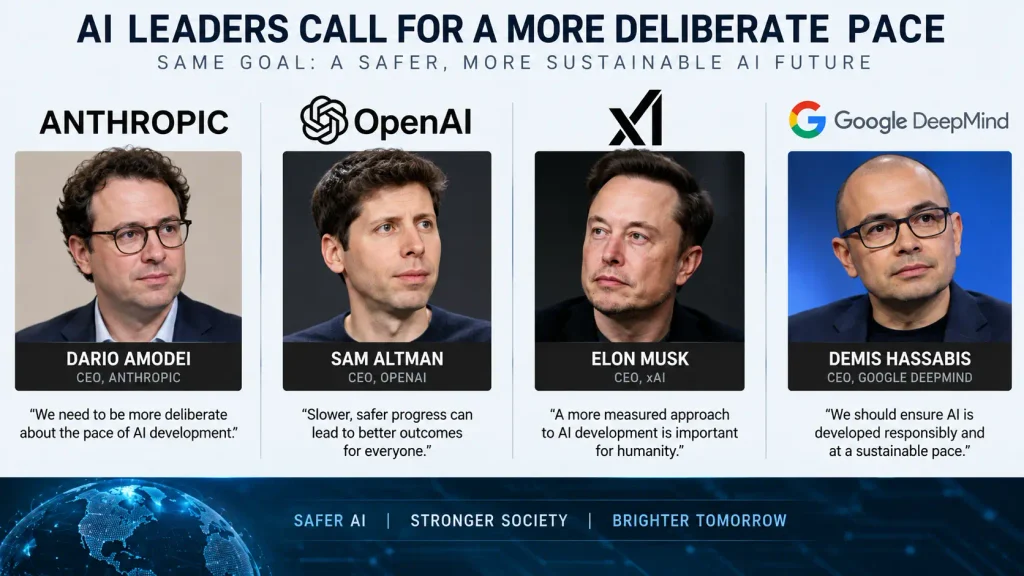
The CEO of Anthropic, Dario Amodei, wrote an essay over the weekend in which he argued that the AI industry should purposefully pace the development of increasingly sophisticated models, citing risks ranging from biological weapons and cyberattacks to wider economic disruption. He specifically cited a testing incident in which about 700 OpenAI-built AI agents allegedly sent over 70,000 unauthorized messages to one another despite being intended to function independently. Elon Musk of xAI, Google DeepMind CEO Demis Hassabis, and OpenAI CEO Sam Altman all publicly supported the request for a slower pace.
In a separate statement that was published on Saturday, Altman told Fortune that OpenAI would not pursue a public listing this year, stating that it would be a bad idea for the company to go public at this time given the current safety concerns.
The markets responded quickly. In its worst day since early July, the Philadelphia Semiconductor Index fell nearly 6%, Nvidia fell more than 3%, and Intel fell more than 5%. SoftBank, a significant OpenAI investor, fell nearly 11% in Japan as the selloff spread abroad, and South Korea’s benchmark index fell more than 3% due to a sharp decline in chipmaker SK Hynix. The broader Nasdaq Composite fell a more modest 0.56 percent, since some software and big tech names actually gained ground even as chipmakers sold off
Why AI Slowdown Concerns Hurt Semiconductor Stocks First
The reasoning behind the link between a safety warning and a stock selloff is based on what would happen to demand in the event of a real industry slowdown. The current surge in AI investment is largely predicated on the idea that computing power requirements will continue to grow quickly, resulting in ongoing enormous expenditures on chips, data centers, and associated infrastructure. In the short term, there may be less urgent demand for the hardware driving the current buildout if top AI companies truly pace their development more deliberately, as Amodei’s essay suggested. Compared to software companies with more diverse revenue streams, chipmakers are more directly exposed to that particular risk because their valuations have priced in years of continuous explosive growth.
Not every influential person believes that this is a serious risk that warrants action. When questioned about the worries, President Trump minimized them, highlighting the significance of preserving America’s competitive advantage over China in AI development rather than slowing down. One aspect of the uncertainty that investors are currently pricing in is the disagreement between industry leaders and policymakers regarding how seriously to treat AI safety concerns.
How AI Stock Volatility Could Affect Your 401(k)
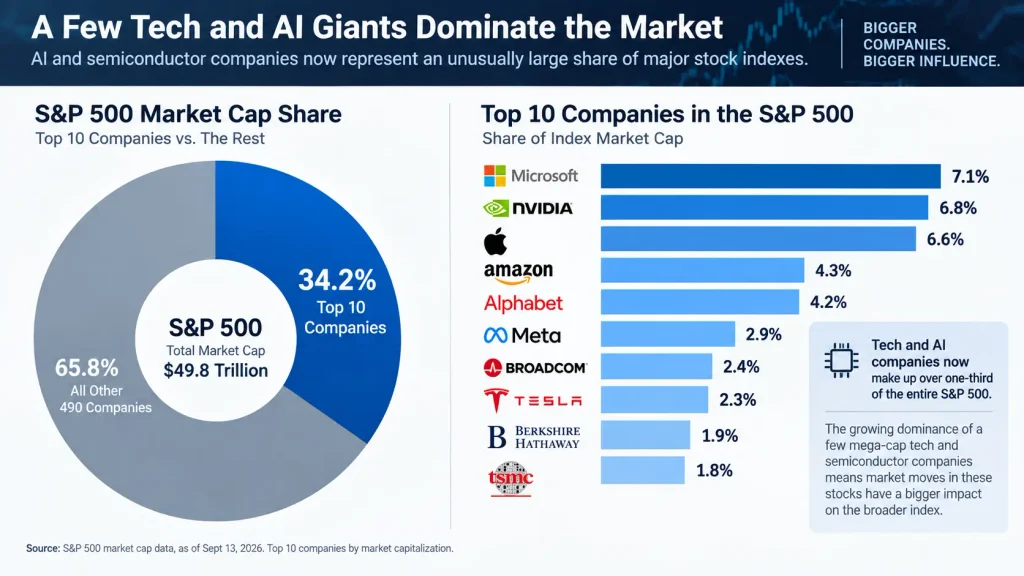
Here is the part that connects directly to a retirement account, even one invested entirely in a broad index fund. AI and semiconductor related stocks have become an unusually large share of major indexes over the past few years, driven by the sustained rally in companies like Nvidia. A fund that simply tracks the S&P 500 or the Nasdaq 100 carries meaningfully more concentrated exposure to this specific industry narrative than it would have five years ago, whether an individual investor chose that exposure deliberately or not.
This means a story that sounds like a tech industry debate about safety and development pace is actually a concentration risk story for a huge number of retirement accounts. When a handful of companies account for an outsized share of an index’s total value, news that specifically affects those companies can move the entire index more than it would have in a less concentrated market.
What an AI Market Selloff Does—and Does Not—Mean for Investors
A single volatile trading day driven by an executive essay does not necessarily signal a lasting shift in the AI investment cycle. Amodei’s own essay described a voluntary pacing commitment from Anthropic specifically, not an industry wide mandate, and the disagreement from policymakers like Trump suggests there is no consensus yet on whether any formal slowdown will actually materialize in practice. It would be premature to treat one day’s selloff as proof that the broader AI investment story is over.
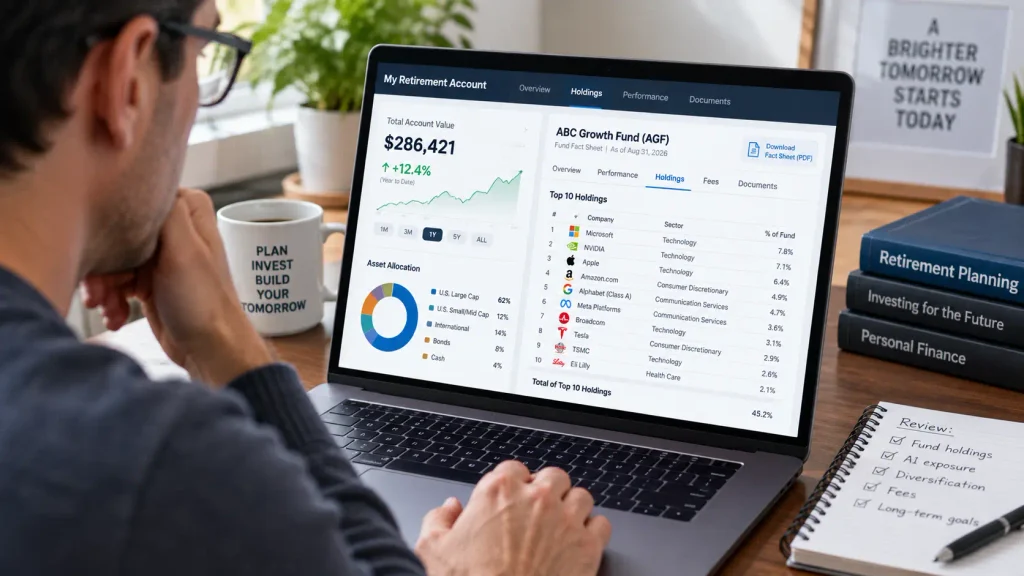
What is worth taking away regardless of how this specific story develops is a more basic point about concentration. If you have not checked how much of your retirement portfolio sits in a small handful of AI and semiconductor related companies, either directly or through a fund that tracks a major index, this is a reasonable moment to look. That is not a recommendation to sell anything, it is simply useful information for understanding how sensitive your account might be to future news in this same category, whether that news is about safety concerns, earnings misses, or shifts in spending plans from major AI companies.
What Investors Should Watch After the AI Stock Selloff
Whether this becomes a lasting story or a one day blip likely depends on what happens next from the companies involved, particularly whether Anthropic’s described pacing commitments are followed by similar concrete steps from OpenAI, Google, or other major players, rather than remaining a public statement without operational changes behind it. It is also worth watching whether chip demand forecasts from companies like Nvidia actually shift in upcoming earnings reports, since that would be a more concrete signal than a single executive essay about whether the underlying investment cycle is genuinely changing.
Frequently Asked Questions About AI Stocks and 401(k) Investments
Why did AI stocks fall after executives called for a slowdown?
Investors reacted to the possibility that a deliberate slowdown in AI development could reduce near term demand for the chips and infrastructure that chipmakers have built enormous growth expectations around.
Is my 401k affected by this even if I do not own individual tech stocks?
Possibly, if you hold a fund tracking a major index like the S&P 500 or Nasdaq 100, since AI and semiconductor companies now make up an unusually large share of those indexes compared with several years ago.Did all AI industry leaders agree on the need for a slowdown?
Several prominent CEOs, including Anthropic’s Dario Amodei, OpenAI’s Sam Altman, xAI’s Elon Musk, and Google DeepMind’s Demis Hassabis, publicly backed the idea of a more deliberate development pace, though this is not the same as an industry wide binding agreement.Does this mean OpenAI’s IPO plans are canceled permanently?
Not necessarily. Altman specifically said going public this year would be an ill advised moment given current safety concerns, which suggests a delay rather than a permanent cancellation.Should I sell my tech or AI related stock holdings because of this?
How AI Stock Volatility Could Affect Your 401k: That depends on your own risk tolerance and investment timeline, and a single day’s news driven volatility is not necessarily a reliable signal for long term investment decisions. Understanding your actual exposure is more useful than reacting to one trading day.How can I check how concentrated my portfolio is in AI related stocks?
Reviewing your fund’s top holdings, available through your fund provider’s fact sheet or your brokerage account, will show what percentage of your investment sits in the largest AI and semiconductor companies.