
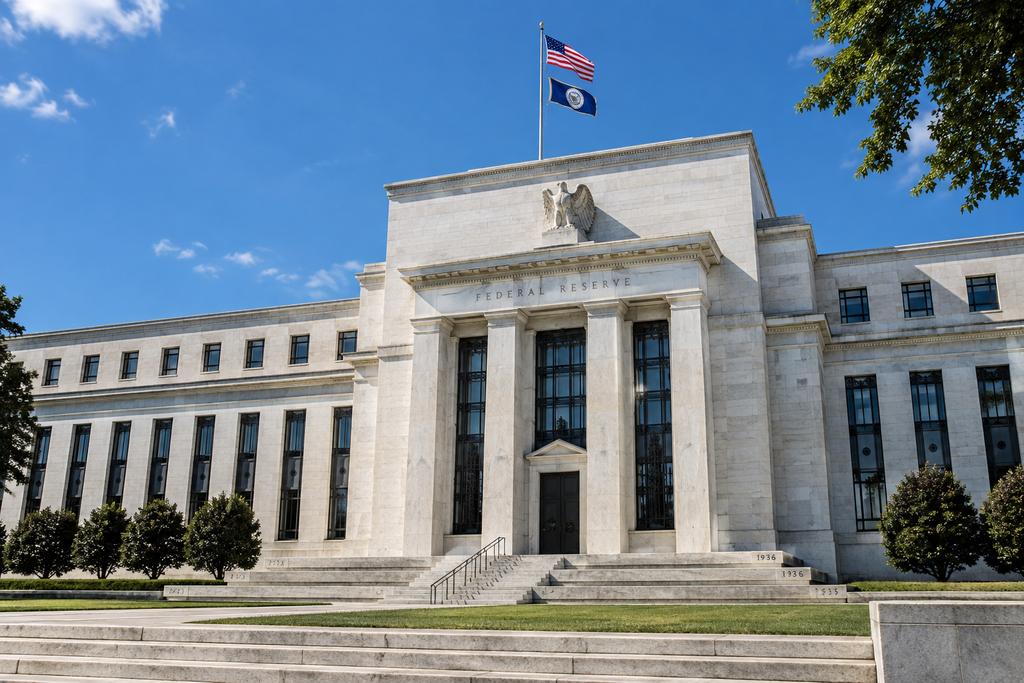
Fed interest rate hike 2026 the Federal Reserve raised interest rates for the first time since 2023, a move that caught many households off guard after years of the central bank holding steady. On Wednesday, the Federal Open Market Committee voted unanimously to lift the federal funds rate by a quarter point, pushing the target range to 3.75 to 4.00 percent. It was a small numerical change with a big signal behind it. After a long pause, the Fed is back in tightening mode.
For everyday consumers, a quarter point move might not sound dramatic. But combined with everything else happening in the economy right now, it is worth paying attention to.
Why the Fed Moved Now
The short answer is inflation. Consumer prices rose 3.4 percent in August compared with a year earlier, while average hourly earnings grew just 3.1 percent, the weakest pace of wage growth since May 2021. In plain terms, prices are climbing faster than paychecks, and that squeeze has been building for months.
Fed Chair Kevin Warsh acknowledged as much at his press conference, saying inflation has stayed elevated for too long and that recent data has not shown meaningful improvement. Bringing prices back under control, he said, remains the central bank’s top priority. Officials now expect the federal funds rate to sit around 4.1 percent by the end of the year, a notable shift from where projections stood back in June.
Markets Took a Bumpy Ride
Investors did not take the news calmly at first. Stocks slid as the Fed’s two day meeting got underway, then fell further once the hike was announced, as traders digested signals that more increases could follow. The selloff did not last, though. Both the Nasdaq and the S&P 500 rebounded over the following two sessions, and by the end of the week the major indexes finished only slightly higher, closing out what traders have already nicknamed Fed hike week.
Treasury yields told a similar story of upward pressure. The yield on the 10 year note touched its highest level in 19 years during the meeting, a signal that ripples through everything from mortgage rates to corporate borrowing costs. The United States was not alone either. Just two days later, the Bank of Japan raised its own benchmark rate, pushing Japanese borrowing costs to their highest level in 31 years and hinting that further increases are on the table.
Other Forces Adding to the Noise
The Fed was not the only story moving markets this week. Oil prices jumped sharply after Saudi Arabia shut down a critical pipeline following a drone attack, with tensions between the United States and Iran adding fuel to the fire, quite literally. U.S. crude climbed above 100 dollars a barrel, up roughly nine percent in recent weeks, a move that could keep upward pressure on inflation in the months ahead since energy costs feed directly into prices at the pump and beyond.
Meanwhile, in a reminder that not everything moves in lockstep, bitcoin pushed back above 78,000 dollars, lifted by progress on crypto legislation in the House of Representatives. Shares of companies linked to crypto, like Coinbase and Robinhood, climbed alongside it, a rare bright spot in an otherwise jittery week Explore our full audio library and episodes on archive directory.
What It Means for Your Wallet
None of this happens in a vacuum. When the Fed raises rates, the effects eventually show up in everyday financial life.
Savings accounts and certificates of deposit often become a little more rewarding, since banks tend to pass along at least part of a rate increase to depositors. On the other side of the ledger, anything tied to variable rates, including many credit cards, home equity lines, and loans with adjustable rates, is likely to get more expensive. Mortgage rates, which move more closely with Treasury yields than with the Fed’s rate itself, could also drift higher if yields stay elevated.
For most households, this is a reasonable moment to take stock. Reviewing debt that carries high interest, comparing savings account yields, and keeping a cash cushion on hand for the months ahead are all sensible habits when borrowing costs are on the move. None of that requires predicting where markets go next, which even the Fed itself was unwilling to do this week. Warsh was careful not to commit to a specific path forward, saying future decisions will depend on how the data unfolds.
With more economic reports and another Fed meeting still ahead this year, this is unlikely to be the last word on interest rates in 2026. It is worth keeping an eye on.
Frequently Asked Questions
Did the Federal Reserve raise interest rates in 2026?
Yes. On September 16, 2026, the Federal Reserve raised the federal funds rate by a quarter point to a target range of 3.75 to 4.00 percent, its first increase since 2023.
Why did the Fed raise interest rates?
The Fed raised rates mainly because inflation stayed elevated. Consumer prices rose 3.4 percent in August compared with a year earlier, while wage growth lagged behind at 3.1 percent, prompting the central bank to act.
How does a Fed rate hike affect mortgage rates?
Mortgage rates tend to track Treasury yields rather than the Fed’s rate directly, but the two often move together. When Treasury yields rise, as they did to their highest level in 19 years this week, mortgage rates typically follow.
Will a rate hike affect my savings account?
Usually, yes, in a positive way. Banks often raise the interest paid on savings accounts and certificates of deposit after a Fed rate hike, though the increase is not always immediate or equal to the Fed’s move.
Does a rate hike make credit card debt more expensive?
Yes. Most credit cards carry variable interest rates tied to the prime rate, which moves with the Fed’s rate. Balances are likely to accrue interest a bit faster following a hike.
Will the Fed raise interest rates again in 2026?
It is possible. Fed officials project the federal funds rate could reach around 4.1 percent by the end of the year, but Chair Kevin Warsh has said future decisions will depend on incoming economic data rather than a fixed plan.
[…] Who This Is Actually Good For […]