
SpaceX Starship, the largest and most powerful rocket ever built, reached Earth orbit for the first time this week, a milestone the company had been chasing across thirteen earlier test flights that never made it past a suborbital trajectory. The achievement did not come easily. A tense engine problem partway through ascent briefly put the entire mission in doubt before flight controllers decided to push ahead.
What Happened During Flight 14
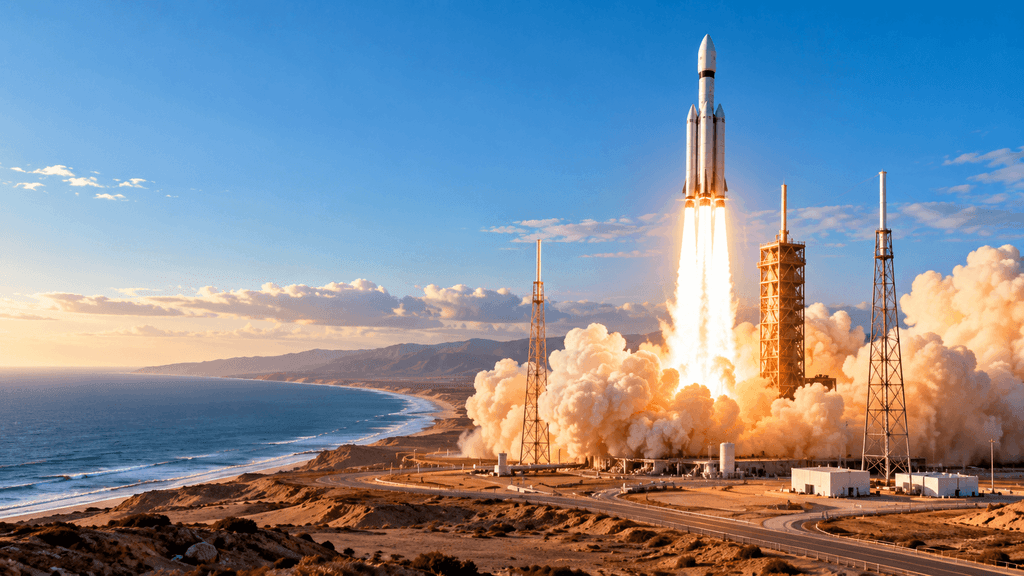
Starship lifted off from SpaceX’s Starbase facility in Texas on Monday morning, carrying the Starship upper stage atop a Super Heavy booster. Shortly after launch, one of the booster’s engines shut down earlier than planned, triggering several tense minutes of deliberation among flight controllers before the decision was made to continue the mission with the remaining engines. The rocket pushed through, and Starship successfully circularized its orbit at an altitude of roughly 170 miles.
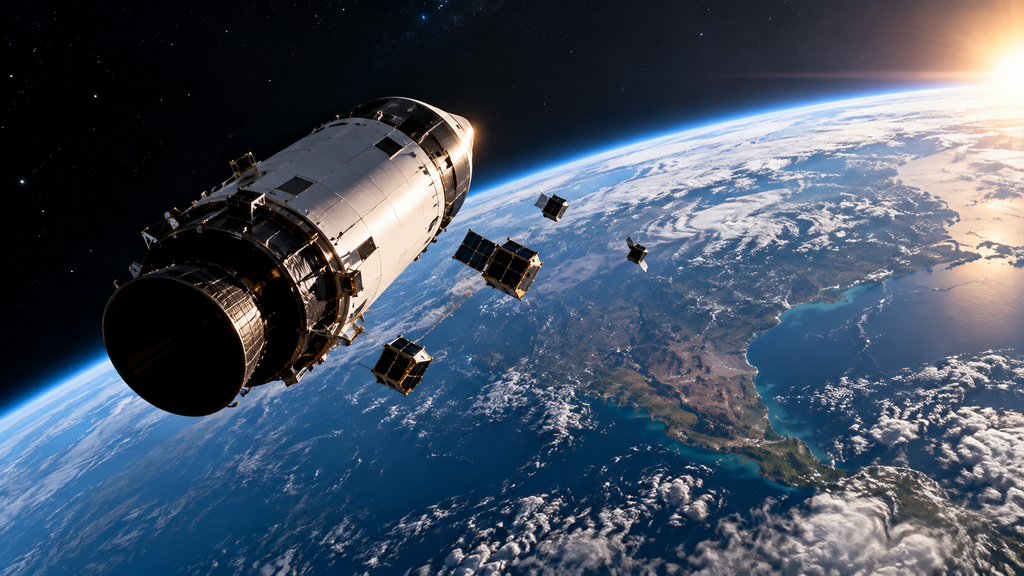
Once in orbit, the spacecraft deployed 26 third generation Starlink satellites, marking the first time this newer generation of satellites had been placed in orbit. Mission control’s announcement that Starship had officially reached orbit was met with cheers on the company’s live broadcast, capping off a moment SpaceX had been working toward since Starship’s very first test flight.
A Shorter Flight Than Planned, But Still a Success
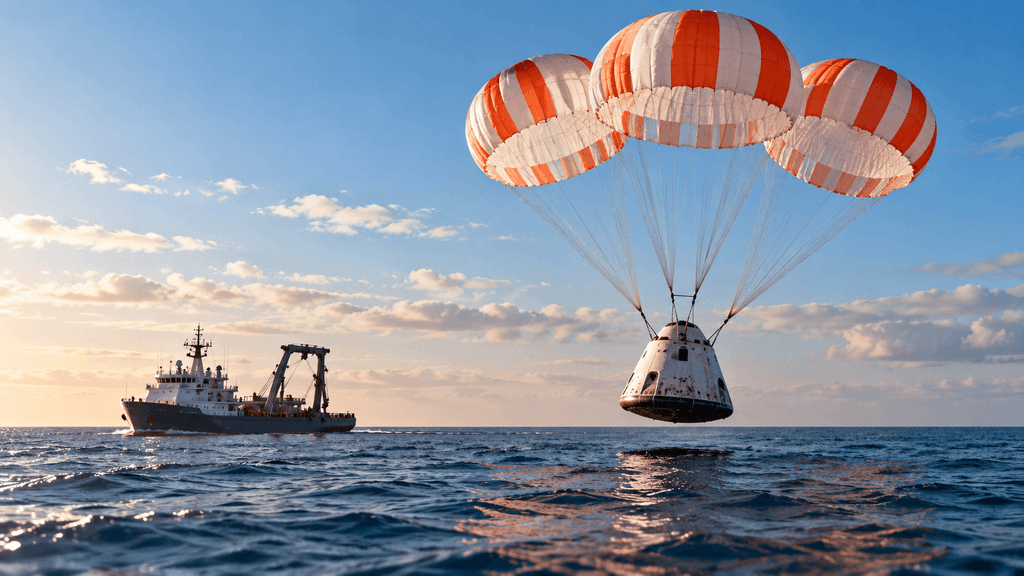
The original flight plan called for Starship to circle the Earth roughly six times over about ten hours before returning. That did not happen. Around ninety minutes into the flight, SpaceX opted to bring the mission to an early close, and Starship reentered the atmosphere and splashed down safely in the Pacific Ocean north of Hawaii after roughly three hours in orbit, well short of the original plan.
Despite ending seven hours earlier than scheduled, SpaceX is calling Flight 14 a clear success, since it achieved both of its primary objectives, reaching orbit for the first time and successfully deploying its Starlink payload. The early splashdown appears to have been a cautious operational choice rather than a sign of a failure serious enough to threaten the vehicle, and the company had a recovery zone pre cleared in the Pacific specifically for this kind of early return.
SpaceX Starship, Why This Milestone Matters
Reaching orbit is widely regarded as the single most important technical threshold standing between Starship and its intended future as a regularly used commercial launch vehicle. It also brings SpaceX a meaningful step closer to its longer term goal of making the massive rocket fully reusable, a capability that has never before existed at this scale.
Starship sits at the center of a wide range of SpaceX’s future plans, from crewed lunar missions supporting NASA’s Artemis program to far more ambitious ideas the company has floated, including placing data center satellites in orbit. NASA Administrator Jared Isaacman publicly congratulated SpaceX following the flight, underscoring how closely the space agency’s own future plans are tied to Starship’s success.
A Nod to Spaceflight History
The timing carried an extra layer of significance for close followers of the company. Eighteen years earlier, on the same calendar date, September 28, SpaceX’s much smaller Falcon 1 rocket became the first privately built, liquid fueled rocket ever to reach orbit, following three earlier failed attempts. That flight helped establish SpaceX as a serious player in an industry long dominated by government space programs and established aerospace giants. Watching the company’s current flagship rocket reach the same fundamental milestone on the exact same date nearly two decades later offered a fitting full circle moment for a company that has grown dramatically in the years since.(SpaceX Starship)
What Comes Next
SpaceX’s attention is already turning to an even more difficult technical challenge. If this flight’s heat shield holds up well under inspection, the next Starship launch is expected to attempt something SpaceX has previously pulled off with its Super Heavy boosters but never with the Starship upper stage itself, catching the returning spacecraft out of the air using the giant mechanical arms mounted on its launch tower. Company founder Elon Musk has reportedly given the attempt roughly even odds of success. If it works, SpaceX intends to refly the same spacecraft by the end of this year or early next year, a key step toward proving true rapid reusability.
Engineers have already been applying lessons from an earlier Starship that SpaceX recovered from the Indian Ocean back in July, using hands on inspection of that vehicle’s heat shield to inform modifications made to the Starship that flew this week.
The Road Ahead Isn’t Finished Yet
Even with this milestone achieved, real questions remain about how quickly Starship becomes a practical commercial vehicle rather than an impressive test platform. No public sales program for commercial Starship flights currently exists, and while Musk has said the rocket could eventually cut the cost of reaching orbit by orders of magnitude, it remains unclear whether those savings would actually be passed along to outside customers or kept largely in house for SpaceX’s own missions.
Markets registered a similarly mixed reaction. SpaceX stock, which began trading publicly earlier this year in what became the largest initial public offering ever, rose more than one percent in early trading Monday before slipping into negative territory once news of the shortened flight spread, a reminder that Starship’s test flights now carry direct financial stakes in a way they never did before the company went public.
The Bottom Line
However the coming catch attempt turns out, this week’s flight marks a genuine turning point for the program. Getting a vehicle this large into orbit at all, let alone while recovering from an engine failure mid ascent, is a significant engineering achievement. Whether Starship goes on to fulfill its much larger promise now depends on the next set of tests still to come. Explore our more related articals on fliphtml pdf file.
FAQ
Did SpaceX’s Starship reach orbit for the first time?
Yes. On September 28, 2026, during its 14th test flight, Starship reached Earth orbit for the first time, circularizing at an altitude of roughly 170 miles after 13 previous suborbital test flights.
Did anything go wrong during the flight?
One of the Super Heavy booster’s engines shut down earlier than planned during ascent, prompting several tense minutes of deliberation before flight controllers decided to continue the mission.
Why did the flight end early?
The original plan called for Starship to orbit Earth about six times over roughly ten hours. SpaceX chose to end the mission early, after about three hours in orbit, and successfully splashed down in a pre cleared zone in the Pacific Ocean.
What did Starship accomplish during the flight?
Starship reached orbit and deployed 26 third generation Starlink satellites, marking the first orbital deployment of that newer satellite generation.
What is SpaceX planning for the next Starship flight?
If this flight’s heat shield inspection goes well, SpaceX plans to attempt catching the returning Starship spacecraft using the mechanical arms on its launch tower, a technique previously used only for the Super Heavy booster.
Why is this milestone significant for SpaceX?
Reaching orbit is considered a critical step toward using Starship for regular commercial missions and achieving full reusability, and the rocket is central to SpaceX’s future plans, including NASA’s Artemis moon missions.