
Buy now pay later, has quietly become one of the default ways Americans shop. What started as a checkout option for the occasional big purchase has turned into something people reach for on ordinary trips, including trips to the grocery store. The convenience is real. So is a problem that keeps showing up in the data year after year: more people are falling behind on these payments than ever before.
The Late Payment Numbers Keep Climbing
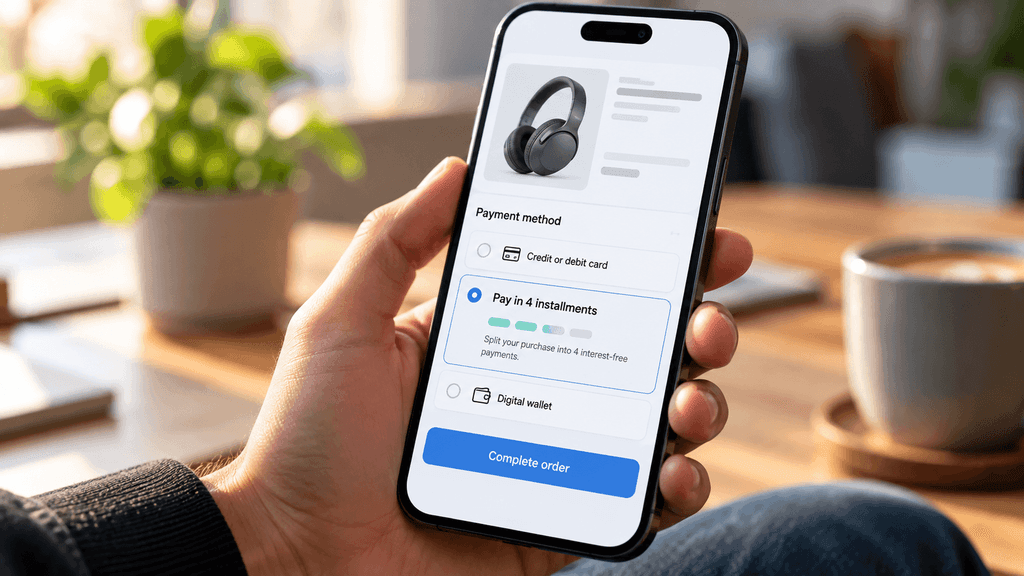
According to LendingTree’s 2026 report, 47 percent of BNPL users say they have paid late on one of these loans in the past year, up from 41 percent the year before and 34 percent two years before that. That is not a small shift. It is a steady climb, and it suggests the problem is not a handful of one time mistakes. It is a pattern.
It Is Showing Up in Everyday Spending, Not Just Splurges
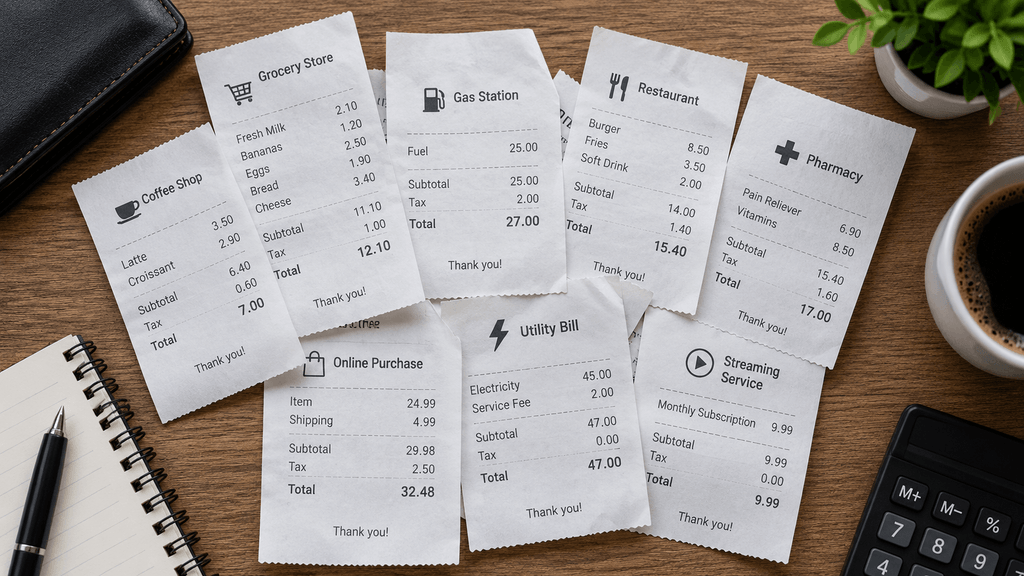
The more telling shift is what people are actually using BNPL for. A growing share of users, now around 25 percent, are using it to buy groceries, up from just 14 percent a year earlier. That is worth sitting with for a moment. Groceries get consumed within days. If you are still making payments on food you already ate weeks ago, the convenience has quietly turned into a recurring bill stacked on top of your regular budget, not a way to spread out a big purchase.
The “It Won’t Affect My Credit” Assumption No Longer Holds
For years, part of BNPL’s appeal was that most loans were not reported to credit bureaus. On time payments did not help your score, and late ones usually did not hurt it either, so it felt lower stakes than a credit card. That has changed. Affirm began reporting loans to credit bureaus in 2025, and FICO is now building BNPL activity into its scoring models. If you have been treating these loans as invisible to your credit history, that is no longer a safe assumption.
Loan Stacking Is a Quiet Risk
One more pattern worth knowing about: roughly 60 percent of BNPL users are currently carrying more than one BNPL loan at the same time, often across different apps and different retailers. Each individual payment can look small and manageable on its own. The trouble is that four or five small payments spread across different apps do not always feel like a real total until they all land in the same week.
How to Use It Without Getting Burned
BNPL is not inherently a bad tool. Used occasionally and deliberately, it can genuinely help spread out a planned purchase without interest. The risk comes from how easily it can drift from that into routine spending.
A few habits make the difference. Treat it as real debt, not free money, since it is technically a loan even when it charges no interest. Avoid using it for anything you will consume before the payments are finished, groceries and takeout included. Keep a simple running list of every active BNPL plan you have open, since it is easy to lose track across multiple apps. And if you do fall behind, it is worth actually asking the provider for a fee waiver. A recent survey found lenders are often willing to waive a late fee if a borrower simply asks, which is a far better first move than letting a missed payment sit prefer podcasts? check out our latest audio show available now on podbean.
The Bottom Line
Buy now, pay later is not going away, and for a planned, one time purchase it can be a genuinely useful option. The warning here is about drift, using it for smaller and more frequent purchases until it quietly becomes a second budget running alongside your real one. Checking in on how many active plans you currently have open is a five minute task that is worth doing before it becomes a bigger problem. read more
FAQ
What is buy now pay later?
Buy now pay later, often shortened to BNPL, lets shoppers split a purchase into several smaller payments, usually four, with no interest charged if payments are made on time.
How many people pay late on buy now pay later loans?
According to a 2026 LendingTree report, 47 percent of BNPL users say they have paid late on a loan in the past year, up from 41 percent the year before.
Does buy now pay later affect your credit score?
It increasingly can. Affirm began reporting loans to credit bureaus in 2025, and FICO is now incorporating BNPL activity into its credit scoring models, so a missed payment can affect your score the same way a missed credit card payment would.
Can you use buy now pay later for groceries?
Yes, and a growing number of people do. Around 25 percent of BNPL users now use it for groceries, up from 14 percent a year earlier, though using installment loans for items you consume immediately is generally considered a risky habit.
What happens if you miss a buy now pay later payment?
Most providers charge a late fee, and depending on the provider, it may now be reported to credit bureaus. A recent survey found many lenders will waive a late fee if the borrower contacts them directly, so it is worth asking rather than letting it go unpaid.
Is it bad to have multiple buy now pay later loans at once?
It can be risky. Around 60 percent of BNPL users currently carry more than one loan at a time, often across different apps, which makes it easy to lose track of total payments due in a given week.