
Imagine receiving a letter demanding the entire amount plus years’ worth of accumulated interest and fees, threatening foreclosure if you don’t pay, after you thought a second mortgage from years ago had been settled through a loan modification, filing for bankruptcy, or just years of silence from the lender. Homeowners nationwide are currently experiencing this, and it has gotten so bad that a U.S. senator is actively looking into whether big banks contributed to the issue.
What Is a Zombie Mortgage?
According to the CFPB, a zombie mortgage is a home loan that a homeowner thought had been settled, forgiven, or paid off, but which is actually still in effect with a lien still attached to the property. This most frequently occurs with home equity lines of credit and second mortgages obtained prior to the 2008 financial crisis. Lenders occasionally charged off the debt as a loss for accounting purposes when a homeowner fell behind on payments during that time, but they did not actually cancel the underlying legal obligation or release the lien. Years later, that debt is sold, sometimes more than once, to investment firms, debt collectors, or debt buyers. These parties then contact you to demand payment, sometimes using aggressive tactics like in-person visits and threats of impending foreclosure.
Importantly, being current on your primary mortgage offers no protection here. A second mortgage lienholder can pursue foreclosure independently, regardless of your standing on your first mortgage.
Why Can an Old Second Mortgage Resurface?
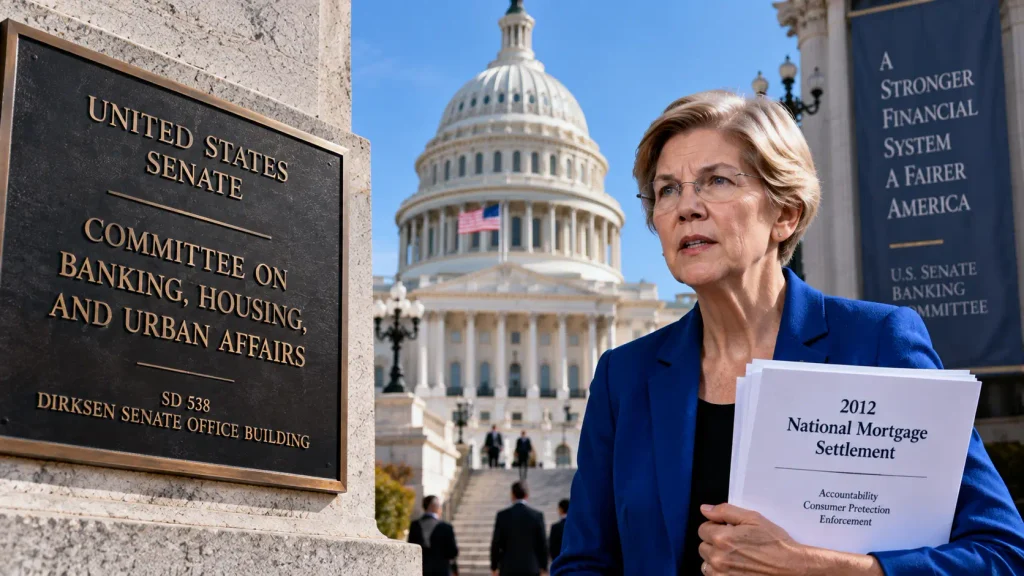
Senator Elizabeth Warren sent a letter in December 2025 to the independent monitor overseeing the 2012 National Mortgage Settlement, a landmark agreement between major banks and state attorneys general following the foreclosure crisis, requesting records on whether banks that received credit under that settlement for extinguishing second mortgages later sold those same loans to debt collectors anyway. After receiving a response in January 2026, Warren followed up in March 2026 with a similar request directly to the CFPB, seeking any records the agency’s prior leadership had compiled on this specific issue. The core concern is straightforward. If a bank got credit toward its settlement obligations for canceling a debt, but the debt was never actually extinguished and later resurfaced in a debt collector’s hands, that would raise serious questions about whether the original settlement commitments were honored.
What Can Debt Collectors Legally Do With an Old Mortgage Debt?
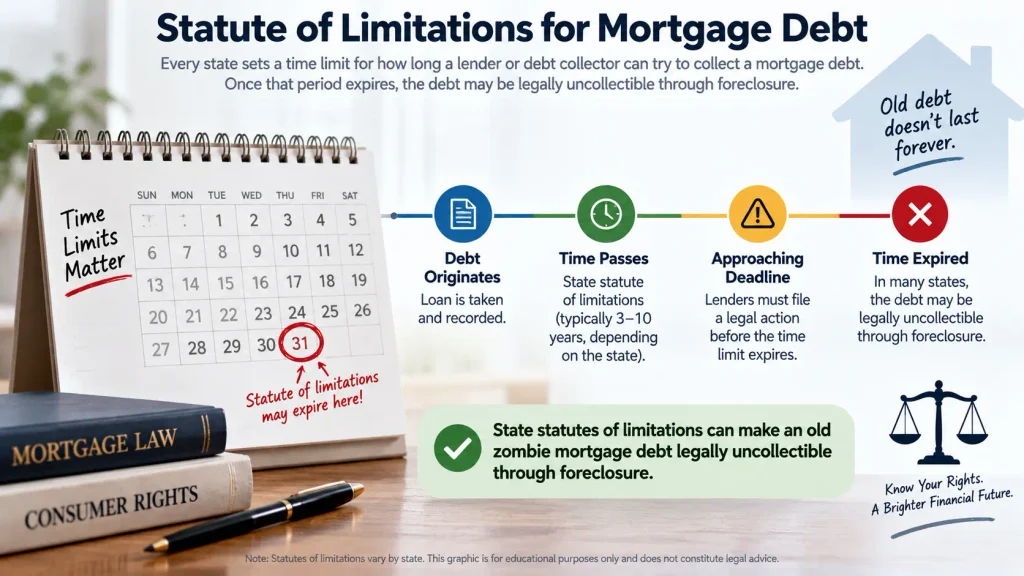
The CFPB issued formal guidance in an April 2023 advisory opinion making clear that debt collection activity on zombie second mortgages can violate the Fair Debt Collection Practices Act, and that these protections apply regardless of how old the loan is. A key detail here involves state statutes of limitations, the legal time window within which a creditor can sue to collect a debt or pursue foreclosure. In New York, for example, that window is six years, meaning a zombie mortgage debt older than that is generally considered time barred under state law. The CFPB has stated it may be illegal for a debt collector to threaten foreclosure, a form of judicial process, to collect on a debt after that statute of limitations has already expired, even if the underlying lien technically still exists on paper.
Mortgage servicers also carry ongoing obligations even after charging off a loan. They generally must continue providing periodic statements unless the homeowner received proper notice of the charge off and the servicer has stopped adding new fees or interest, and servicers are required to make good faith efforts to maintain live contact with delinquent homeowners rather than simply going silent for years and reappearing later.
How to Respond to a Zombie Mortgage Collection Letter

Do not ignore the letter, but do not immediately pay either, since paying or even acknowledging the debt in the wrong way can sometimes restart the statute of limitations clock in some states. Request written verification of the debt, including the original loan documents, a full payment history, and documentation showing the chain of ownership from the original lender to whoever is currently contacting you. Check your specific state’s statute of limitations for mortgage debt collection, since this varies significantly and directly affects whether a foreclosure threat is even legally enforceable in your situation.
A modification to a first mortgage held by a different servicer frequently does not automatically resolve a separate second lien, so if you have previously experienced bankruptcy or a loan modification on your primary mortgage, pull those records and specifically check whether the second mortgage was addressed, discharged, or simply left untouched. Additionally, filing a complaint with the CFPB is a tangible, inexpensive step that directly adds to the agency’s ongoing record of this issue—the same type of complaint volume that served as a catalyst for the current congressional investigation as well as the original 2023 guidance.
What happens next
Warren’s investigation into whether banks violated their National Mortgage Settlement obligations remains active, and its outcome could clarify how widespread this practice actually was among major settlement participating banks specifically. In the meantime, the underlying legal protections around time barred debt and improper foreclosure threats already exist and apply regardless of how that broader investigation concludes, which means a homeowner facing this situation today does not need to wait for its outcome to assert their existing rights.
FAQs
What is a zombie second mortgage?
It is a second mortgage or home equity loan a homeowner believed was resolved, forgiven, or discharged, but that remains legally active with a lien still attached to the property, sometimes resurfacing years or decades later when sold to a debt collector.
Can a debt collector foreclose on my home over an old second mortgage even if my first mortgage is current?
Yes. A second mortgage lienholder can pursue foreclosure independently of your standing on your primary mortgage.
Is there a time limit on how long a debt collector can try to collect a zombie mortgage?
Generally yes, based on your state’s statute of limitations for debt collection, which varies by state. The CFPB has said threatening foreclosure to collect a debt after that period has expired may violate federal debt collection law.
What is Senator Warren investigating regarding zombie mortgages?
She is investigating whether major banks received credit for extinguishing second mortgages under the 2012 National Mortgage Settlement while actually selling those same loans to debt collectors, who later attempted to collect or foreclose on them.
What should I do if I get a collection notice for an old second mortgage I thought was resolved?
Request written verification of the debt and its ownership history, check your state’s statute of limitations, review any past bankruptcy or modification records related to the loan, and consider filing a complaint with the CFPB.
Does paying a zombie mortgage debt collector restart the clock on old debt?
In some states, acknowledging or making a payment on a time barred debt can restart the statute of limitations, so it is important to verify the debt’s legal status before making any payment or agreement.